
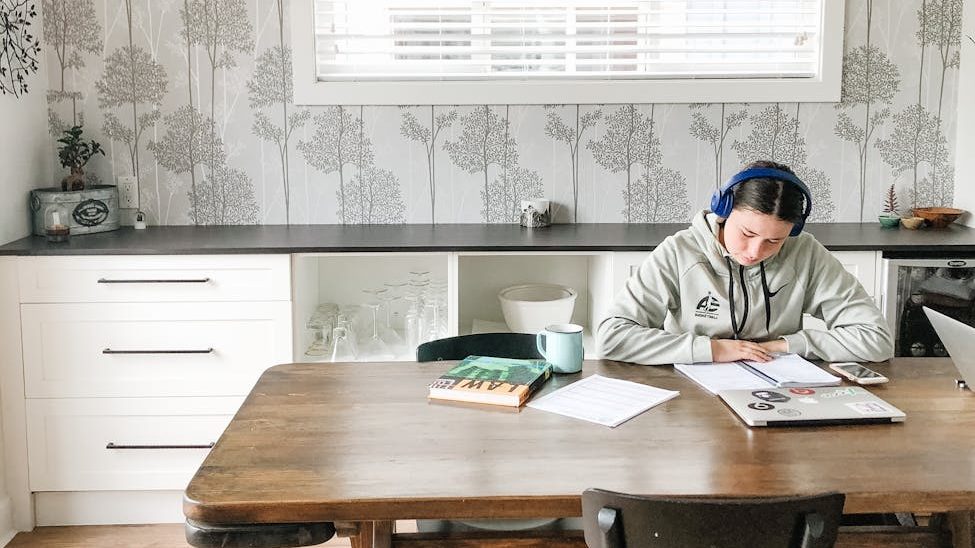
Why starting feels easy, but staying consistent feels difficult
When we start learning Spanish, everything feels exciting. We imagine ourselves understanding conversations, speaking naturally, traveling with confidence, or finally expressing our ideas without stopping every few seconds to search for words. At the beginning, motivation is strong. We look for resources, save videos, buy notebooks, download apps, and tell ourselves that this time we will really stay consistent.
But after a few days, something very common happens. Daily life returns with all its responsibilities. Work becomes busy, routines change, unexpected things appear, and little by little the study plan that seemed simple at first starts to feel difficult to maintain. You miss one day, then another, and suddenly you feel that the rhythm is gone.
If this has happened to you, you are not alone. Many students experience exactly the same thing. It does not mean you are not disciplined, and it does not mean language learning is harder for you than for others. It simply means that motivation by itself is not enough. What really helps us continue is building a habit that fits naturally into real life.
Why 20 minutes a day can create real progress
Many learners believe they need long study sessions to improve. Because of that, they wait for the perfect moment: a free hour, complete silence, full concentration, and enough energy. The problem is that perfect moments do not appear every day.
What usually works better is something much smaller and more realistic. Twenty minutes of focused Spanish every day can create stronger results than studying for two hours only once a week.
When Spanish appears daily, your brain stays connected to the language. Words remain familiar, sounds stop feeling distant, and structures begin to repeat naturally in your mind. Instead of starting from zero every time you study, you continue from where you were the day before.
This regular contact changes the way learning feels. Little by little, Spanish becomes part of your week in a natural way, not something distant that only appears occasionally.
Why routine matters more than motivation
At the beginning, motivation often feels powerful because everything is new. But motivation changes. Some days you feel inspired, and some days you simply do not.
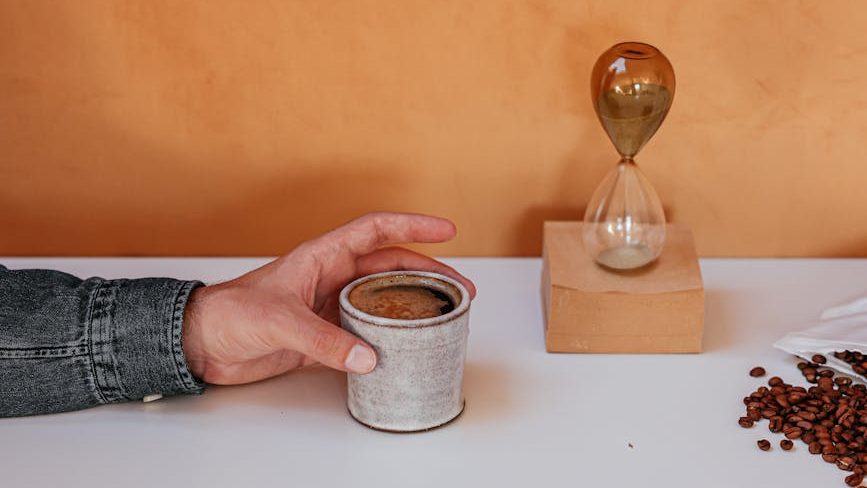
This is why routine matters so much. When Spanish already has a place in your day, you do not need to decide every time whether you will study or not. It becomes something familiar, like any other small part of your schedule.
For you, that moment may be early in the morning with coffee, during a break in the afternoon, or in the evening when the day becomes quieter. The exact moment is not the most important part. What matters is repetition.
When the routine is simple, it becomes easier to protect, even on busy days.
How active learning makes short study sessions stronger
Not all study time has the same effect. Sometimes we spend time near the language without really interacting with it. We watch something quickly, read a few words, or listen while doing something else.
That exposure helps, but active learning creates deeper progress.
When you repeat a phrase aloud, write a sentence with a new verb, or notice how a question is formed, your brain starts processing the language in a stronger way. You are no longer just seeing Spanish; you are participating in it.
Even during a short study session, active attention can make a big difference. A few minutes of real engagement often teach more than a long passive session.
Why repetition is part of learning, not a sign of slow progress
One reason many students feel frustrated is because they forget words they studied recently. This often creates the feeling that nothing is staying in memory.
But forgetting is a normal part of language learning. Your brain needs repeated contact before something becomes natural.
A phrase you study today may not feel easy immediately. But when you see it again tomorrow, hear it in a video next week, and use it later in conversation, it starts becoming familiar.
This is why reviewing old notes is so valuable. It is not going backward. It is how learning becomes stronger.
Very often, progress happens quietly. What looked difficult before suddenly feels easier because your brain has already seen it several times.
Why useful language is easier to remember
Studying random vocabulary often feels productive, but isolated words disappear quickly when they have no emotional or practical connection.
Language stays longer when it belongs to your life.
If you are preparing for a trip, phrases related to airports, directions, restaurants, or hotels feel immediately useful because you can imagine yourself using them.
If you need Spanish for work, language connected to meetings, introductions, schedules, or emails becomes much easier to remember because it already has a purpose.
Your brain remembers better when the language solves something real for you.
Why small progress deserves attention
Sometimes learners think progress only counts when they reach something big, like understanding an entire conversation or speaking without hesitation.
But real progress often begins with smaller moments.
You recognize a verb you studied last week. You understand a sentence faster than before. You remember an expression naturally. You pronounce something more clearly than you did before.
These small moments matter because they show that the process is working.
When you notice them, motivation becomes more stable because you stop feeling that your effort is invisible.
How to keep going when some days feel harder than others
Not every study day feels equally productive. Some days you feel focused, and some days you feel tired. Some days Spanish feels easy, and some days it feels slower.
This does not mean you are losing progress.
Language learning is not linear. Some days are lighter, some are stronger, but consistency matters more than perfection.
Even a short study session on a difficult day helps protect your habit.
The important thing is not to wait until everything feels ideal again. Progress continues when you return, even in simple ways.
A simple system helps you stay consistent
Sometimes what makes studying difficult is not lack of motivation, but not knowing exactly what to do each day.
When you already have a simple structure, it becomes easier to begin.
That is why using a study planner can help so much. It gives your learning direction and allows you to see your own rhythm clearly.
When you write down what you studied, what you want to review, and what you want to practice next, Spanish feels more organized and less overwhelming.
If you want to make your study routine easier and more consistent, you can download my study planner and use it to organize your Spanish practice in a realistic way.
Learning Spanish does not require perfect conditions or long hours. What helps most is allowing the language to stay close to you, a little every day, until it begins to feel part of your life.
Key ideas
1. Small daily study sessions create stronger results than long irregular sessions
Studying Spanish for 20 minutes every day helps your brain stay connected to the language and makes learning feel natural over time.
2. Motivation changes, but routine keeps you moving forward
You will not always feel equally motivated, so creating a simple study habit is what helps you continue.
3. Active learning helps you remember more
Repeating phrases, writing sentences, and using what you learn makes Spanish stay longer in your memory.
4. Useful language is easier to remember than isolated vocabulary
Learning phrases connected to your real life, travel, work, or daily conversations makes Spanish more practical and meaningful.
Start now
If you feel that you need guidance, structure, or support to stay consistent, we are here to help you. Sometimes having a teacher, a clear plan, and real conversation practice makes the process much easier and more motivating.
You can book a trial lesson with us and we will help you understand your level, your goals, and the best way to move forward with Spanish in a way that feels realistic for you.
Start building your confidence step by step with professional support and a learning plan adapted to your needs.
Descubre más desde Spanishlanglovers
Suscríbete y recibe las últimas entradas en tu correo electrónico.
